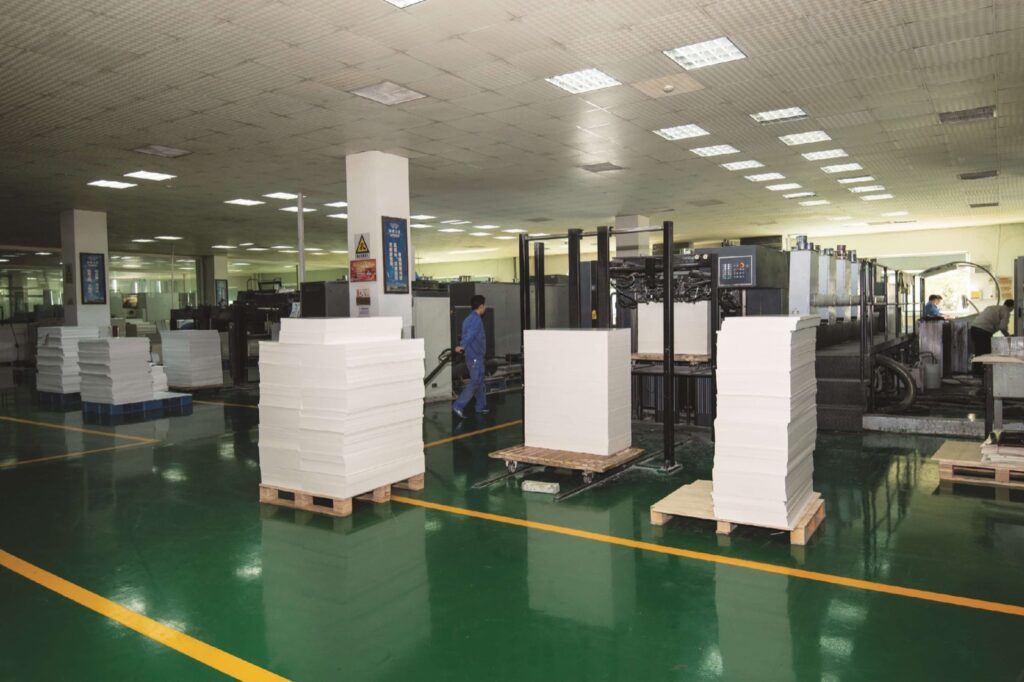
For a B2B buyer, an eco-friendly Christmas cracker is not defined by kraft paper, green ink or a leaf icon. It is defined by a documented material specification, an honest environmental claim and a pack that works in the buyer’s target recycling and compliance system. In 2026, that distinction matters more because packaging regulation and scrutiny of green claims are moving in the same direction: buyers need evidence, not just an “eco” look.
This guide is for retail, hospitality, corporate and private-label teams sourcing paper-based Christmas cracker programmes. It explains which decisions should be fixed in the brief, which documents to request and how to avoid changes that appear sustainable but create quality, transport or claim risks.
Start with a material map, not an eco label
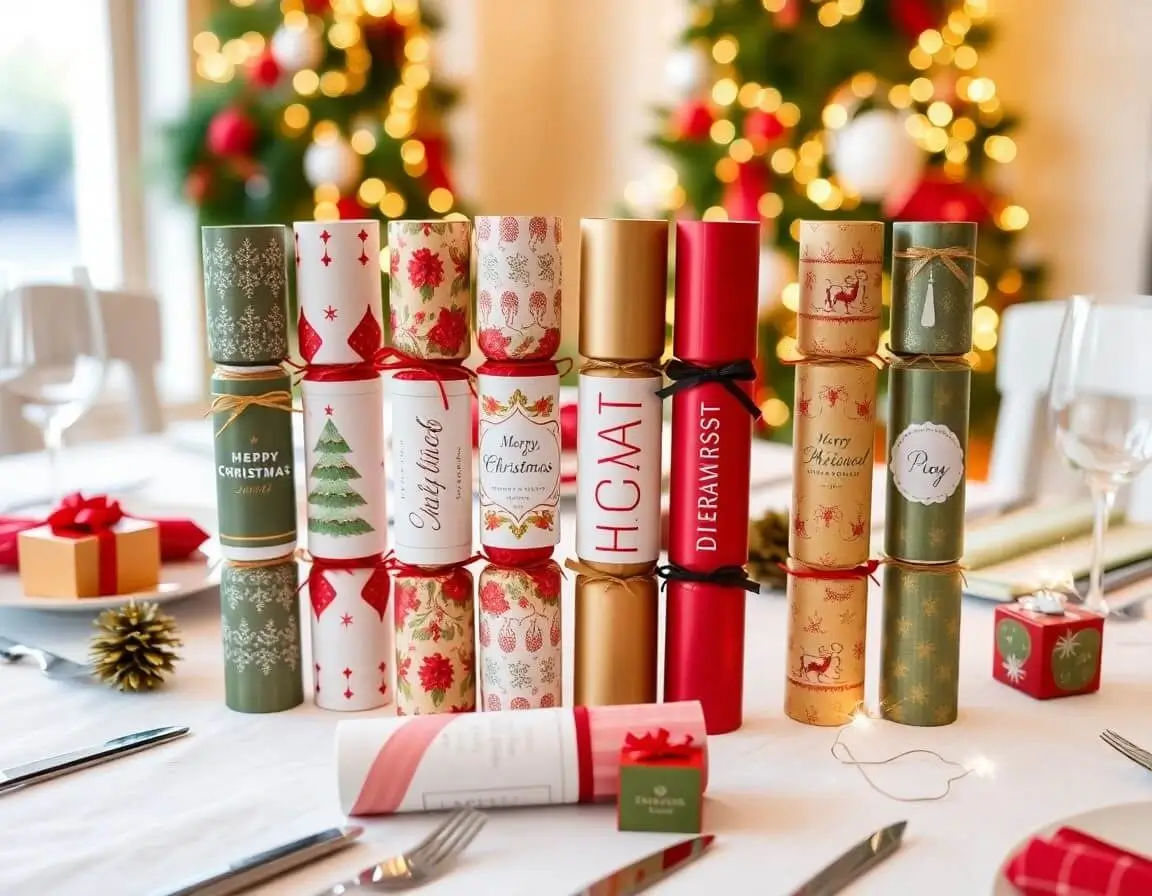
A cracker is a small multi-component product. The outer wrap may be paper, but the complete unit can also contain a tube, snap, adhesive, ribbon, decorative film, crown, gift, tray, retail box, window and protective transit material. “Paper cracker” and “plastic-free cracker” are therefore different claims.
Ask the supplier to create a bill of materials that names each component, material, weight or gauge, finish, supplier reference and intended disposal route. The same exercise should cover the retail pack and transport packaging. It gives design, compliance, procurement and marketing teams one controlled source of information.
- Paper and board: grade, recycled content where claimed, coating and forest-source certification.
- Print and finish: ink system, foil or metallised layer, lamination, glitter and varnish.
- Trims: fibre composition of bows, ribbons, strings and reusable decorations.
- Contents: crown, joke or activity, gift materials and individual wrapping.
- Packaging: tray, window, labels, protective bag, retail box, master carton and pallet wrap.
What FSC certification does—and does not—prove
FSC certification can support a credible claim about forest-based material. The Forest Stewardship Council explains that chain-of-custody certification tracks eligible material through manufacturing and distribution, and that the finished-product label depends on chain-of-custody requirements being met along the supply chain.
However, an FSC claim is not automatically a claim that the whole cracker is recyclable, biodegradable, plastic-free or lower carbon. These are separate statements that need separate evidence. Before artwork approval, ask for the certificate holder’s details, certificate scope, relevant claim for the job and approval route for any trademark use. Make sure the paperwork, invoice description and finished artwork refer to the same product.
Design for a real recycling route
“Recyclable” is market-specific. Collection systems, sorting rules and labelling schemes differ between countries, and a paper-looking component may contain a coating or attachment that changes the result. The buyer should decide which component is being described, in which market, and what the consumer must do.
The EU’s Packaging and Packaging Waste Regulation entered into force in February 2025 and generally applies from 12 August 2026. It covers packaging placed on the EU market and includes requirements concerning design, composition and waste management. In the UK, extended producer responsibility guidance sets out reporting, fee and recyclability-assessment obligations for affected organisations. The exact responsibility depends on the business and market, so importers should confirm their position with an appropriate adviser.
From a product-design perspective, the practical questions are straightforward:
- Can the consumer separate unlike materials without tools?
- Does a window or lamination provide enough benefit to justify the added material?
- Will foil coverage, glitter or heavy adhesive affect the intended paper recycling route?
- Can the pack communicate disposal instructions accurately in the available languages?
- Has the claim been checked against the destination market rather than the factory’s domestic rules?
Choose contents that support the proposition
The filler is where many eco ranges lose credibility. A responsibly sourced paper wrap around six generic plastic gifts creates a mixed message. Better directions include paper games, wooden ornaments, reusable metal accessories, fabric decorations and useful products designed for repeated use. Every item must still be assessed for safety, durability, weight and market suitability.
A natural material is not automatically low impact or compliant. Wooden items may need a coating; metal accessories may need corrosion protection; seed-paper products may face destination-specific plant-health or seed restrictions. Select the intended claim first, then choose gifts that can be supported by supplier declarations and any required testing. JollyCracker’s custom gifts and fillers service can develop a controlled shortlist around the target market and price position.
Make environmental claims specific and provable
Broad phrases such as “planet friendly”, “100% green” or “zero impact” are difficult to substantiate. A narrower claim is usually more useful to the buyer and clearer to the consumer: for example, identifying an FSC-certified paper component, stating that specified plastic gifts have been removed, or explaining which parts of the retail box can enter a local paper stream.
The UK Competition and Markets Authority’s Green Claims Code checklist says environmental claims should be truthful, clear, substantiated and should not hide important information. It also asks businesses to consider the product’s full life cycle. Use that logic in the artwork approval process even when the range will be sold outside the UK: define the claim, list the evidence, identify its limits and record who approved it.
Do not trade transport damage for a greener appearance
Removing material can be positive only if the product still reaches the buyer in saleable condition. Crushed crackers, scuffed print and collapsed retail boxes create waste, rework and lost sales. Test the full packed configuration, not just the display sample.
For a container-load programme, compare cracker orientation, box board strength, void space, master-carton dimensions, stacking pattern and humidity protection. A slightly stronger, correctly sized paperboard box can perform better than a visually minimal box that needs extra sleeves or replacement stock. Use JollyCracker’s custom packaging programme to develop the retail pack and shipping carton together.
A practical eco-friendly cracker specification
Before requesting a quotation, provide a short specification that separates mandatory requirements from preferences:
- Markets and claims: destination countries, proposed consumer wording and required labels.
- Certified material: component, FSC claim required and documentation expectations.
- Restricted materials: components or finishes that must not be used.
- Gift policy: permitted materials, intended use, age grade and expected life.
- Pack format: cracker count, window preference, barcode and recycling copy.
- Quality target: appearance, pull function, pack integrity and transit testing.
- Commercial plan: target launch date, forecast by SKU, order programme and destination.
Compare like with like when reviewing prices
An eco quotation is meaningful only when suppliers price the same construction and evidence package. One quote may include certified paper, a paper tray, tested wooden gifts and approved artwork claims; another may simply use brown paper. Put board grade, print finish, contents, retail pack, testing, certification, inspection and shipping assumptions on the comparison sheet.
Also ask where design changes reduce total material or container space without weakening the product. A smaller box, shared tube size or simplified finish can improve the programme more reliably than substituting one visible component while leaving the rest unchanged.
Create a claim evidence pack before artwork release
Marketing copy often develops faster than the product specification. Prevent that gap by creating a claim register for every statement or logo planned on the cracker, retail box, catalogue and product page. Record the exact wording, component covered, market, evidence file, owner, approval date and expiry or review date.
The pack might contain certificate details, supplier declarations, bill-of-material references, artwork approvals, test reports and disposal guidance. Evidence must relate to the production configuration: changing a window, ribbon, coating or gift can change the accuracy of a claim even if the visible paper artwork is unchanged. Provide the final claim register to the importer and marketing team rather than leaving documents only with the factory.
Audit the production route, not only the presentation sample
Ask how certified and non-certified materials are identified in purchasing, storage, printing and packing. Check that the material reference on the job sheet matches the approved specification and that substitute materials require written approval. For a reduced-plastic programme, inspect gifts, ribbons, trays and protective packing as well as the outer wrap.
During pre-production approval, weigh and photograph the complete cracker and pack, list every component and retain a sealed sample. During final inspection, verify claim-critical features separately from appearance defects. A visually acceptable product can still be non-conforming if the wrong paper, finish or gift material was used. This traceable process is more valuable than an unsupported supplier promise that the factory is “green”.
Build an evidence-led 2026 range
JollyCracker supports established buyers with material selection, custom artwork, gifts, retail packaging, QC and container loading. We prioritise volume programmes and review the complete product and destination before recommending a specification. The result should be a cracker that looks appropriate for the brand, performs through the supply chain and gives the buyer a defensible set of claims.
See the eco-friendly cracker manufacturing options, then request factory pricing with your target markets, proposed claim, pack count, gift direction, order plan and delivery window. We can then identify the samples, documents and production controls needed before approval.