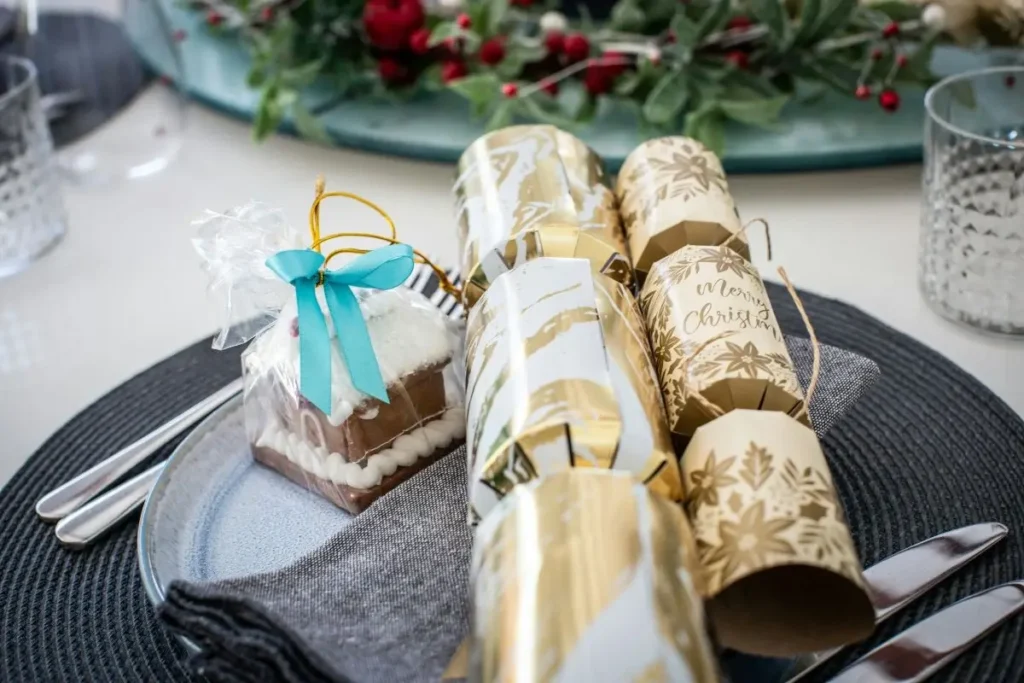
The history of Christmas crackers begins with confectionery, paper and Victorian retail ingenuity. The familiar table decoration—pulled by two people to reveal a paper crown, motto and small gift—developed gradually from a wrapped sweet into a product made for celebrations around the world.
The broad outline is well documented, but some popular details are better described as tradition than proven fact. This account uses material from the Victoria and Albert Museum, Historic England and The National Archives to separate the supported timeline from the often-repeated story of a crackling log fire.
Christmas Cracker History Timeline
- 1840: Tom Smith begins making confectionery in London.
- 1840s: A visit to Paris introduces Smith to French bonbons wrapped in decorative paper.
- 1847: Smith develops his early cracker concept, combining sweets with decorative packaging.
- 1860s: The familiar snap mechanism becomes part of the Christmas cracker.
- Late 19th century: Mottoes, small gifts and paper hats help shape the modern tradition.
- 20th century: Crackers remain part of British Christmas celebrations through changing fashions and wartime rationing.
- Today: Christmas crackers are produced in traditional, luxury, reusable and custom designs around the world.
Tom Smith and the French bonbon
Tom Smith (1823–1869) was a London baker and confectioner. Historic England records that he worked in a bakery and confectionery shop during the 1830s before establishing his own business in Clerkenwell. On a visit to Paris in 1840, he encountered the French bonbon: a sugared almond wrapped in a twist of tissue paper.
Smith adapted the idea for his London customers. The wrapped sweets sold particularly well at Christmas, and he began adding short love messages inside. This combination of a treat, a written surprise and attractive paper provided the foundation for the later cracker.
When was the Christmas cracker invented?
The date most closely associated with the invention is 1847. The V&A states that Smith patented his first cracker device that year and refined the mechanism during the 1860s. The National Archives places the invention more generally in the 1840s. These accounts are compatible with a product that changed through testing rather than appearing at once in its modern form.
The famous story says Smith was inspired by the crack of a log on a fire and sought to reproduce that moment in his wrapped novelty. The V&A and Historic England both present this as the traditional or legendary explanation, not as a documented observation. What is supported is that Smith developed a friction-based paper snap that made a small report when the ends were pulled apart.
That addition changed the experience. The product was no longer simply opened; it required two participants, created anticipation and announced the reveal. Interaction remains one reason crackers work so well on a shared table.
How the paper crown and gifts became part of the tradition
Early crackers did not necessarily contain the exact combination expected today. According to the V&A, Tom Smith’s son Walter introduced more elaborate paper hats and sourced novelty gifts from overseas. The contents expanded beyond a sweet and motto, while the outer paper and box became more sophisticated.
The paper crown is now central to the ritual because it turns every guest into a participant. Jokes, riddles and mottos give the table something to share, while the gift differentiates one range from another. In modern manufacturing these elements are separate specification decisions: crown dimensions and paper, language and tone of the motto, gift material and size, snap, barrel construction and presentation pack.
From a London workshop to large-scale manufacturing
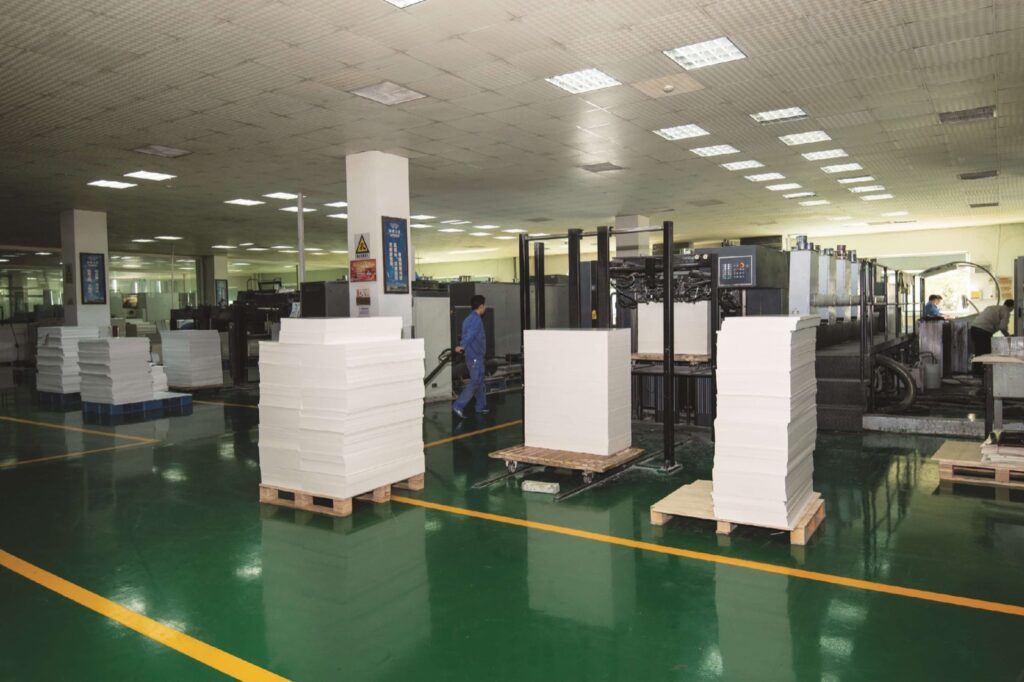
The cracker business grew with Victorian demand for novelties and seasonal goods. Smith’s company moved to larger premises, and the V&A reports that it employed about 2,000 people by the 1890s. Production involved substantial handwork: paper was cut, pasted, folded, filled and packed to create a consistent presentation.
Illustrated Tom Smith catalogues preserved in the V&A archive date from 1877. They show how manufacturers used changing artwork and topical themes to keep a familiar format commercially relevant. Crackers were offered for more than one occasion and the packaging itself became collectible.
The National Archives holds a 1907 registered cracker-box label featuring an illustration by Louis Wain. Such records show that brand identity, licensed or commissioned artwork and presentation packaging were already important to the category long before modern private-label retail.
Crackers reflected the events and design of their time
Cracker catalogues and boxes followed popular entertainment, technology and public events. The V&A describes designs connected with subjects ranging from motorcars and wireless broadcasting to film stars and archaeological fashions. Crackers also marked occasions such as the end of the First World War.
One surviving example is the 1927 “Totem Cracker” made by Tom Smith & Company. Its theme drew on a successful stage musical and its contents included costume-like headwear and novelty objects. The example is historically interesting, while some of its imagery and language reflect stereotypes of that period and would not be appropriate for a contemporary range. History can inform design without requiring brands to repeat every element of the past.
Rationing, recovery and changing materials
Paper rationing and restrictions on cracker snaps affected manufacturing during the Second World War. The category later recovered as paper supply and consumer markets normalised. Post-war designs ranged from accessible family packs to more elaborate gift-led products.
Materials and production methods have continued to change. Contemporary crackers may use printed paper, foil effects, ribbons, paper engineering and carefully selected gifts, but buyers increasingly ask how those components can be simplified, documented or redesigned. FSC-certified paper options, reduced plastic, recyclable pack structures and paper-based gifts are specification choices—not automatic qualities of every cracker.
How Christmas crackers spread internationally
Crackers became closely associated with Christmas meals in Britain and Ireland and developed strong markets in countries with British cultural links. In Australia and New Zealand they are also commonly called Christmas bonbons, a name that recalls the product’s confectionery origin. Elsewhere, crackers may be used by hotels, international retailers and expatriate communities even where they are not a universal household tradition.
This regional variation matters to modern buyers. Product name, joke language, gift suitability, safety information, retailer copy and pack count should reflect the destination. A design that is immediately understood in a UK supermarket may need clearer explanation in another market.
What has stayed the same?
Despite changes in artwork, gifts and retail channels, the basic sequence is recognisable: two people pull, the snap sounds, the paper opens and the contents are shared. This combination of anticipation, participation and reveal is more durable than any particular colour trend.
It also explains why the category supports many price points. A traditional family cracker, a hotel table cracker and a luxury private-label set can use the same ritual while differing in structure, print, gift, packaging and quality control.
What the history means for today’s B2B buyer
The strongest modern ranges preserve the recognisable interaction while adapting the specification to a real customer. A retailer may require an exclusive design and efficient shelf pack; a hotel may prioritise table scale and consistent presentation; a corporate buyer may need approved brand colours and a relevant gift.
Historical language can inspire a collection, but avoid unsupported claims such as “the original Victorian recipe” unless the product genuinely follows a documented source. Similarly, do not describe a new design as traditional merely because it uses red and gold. Be specific about which element is being referenced: twisted ends, paper crown, motto, gift or an archival pattern.
Commercial buyers can compare traditional Christmas cracker programmes with luxury cracker specifications, then review custom design and development. These pages are intended for wholesale and project-based sourcing rather than individual retail purchases.
Developing a retail, hospitality or corporate range? Send JollyCracker your business brief with destination, timing, estimated quantity, target customer and required pack format for a project-specific review.
Sources and further reading
- Victoria and Albert Museum: The Christmas Cracker
- Historic England: How Did Sweets & Fire Lead to the Invention of the Christmas Cracker?
- The National Archives: Tom Smith’s Christmas Crackers
Frequently Asked Questions About Christmas Cracker History
Who invented Christmas crackers?
London confectioner Tom Smith is widely credited with developing the Christmas cracker in the 1840s.
When were Christmas crackers invented?
The earliest version is commonly dated to 1847, with the snap mechanism developing later, during the 1860s.
Where did Christmas crackers originate?
They originated in Victorian London, inspired in part by French bonbons wrapped in decorative paper.
Why do Christmas crackers contain paper crowns?
Paper crowns became one of the playful party items associated with crackers and the shared Christmas meal.
What was inside the first Christmas crackers?
Early versions grew from wrapped sweets; mottoes, small gifts, paper hats and snaps were added as the idea developed.
How did Christmas crackers become a tradition?
The combination of a snap, surprise gift, joke or motto and paper crown made crackers a social table ritual that spread from Britain to other countries.